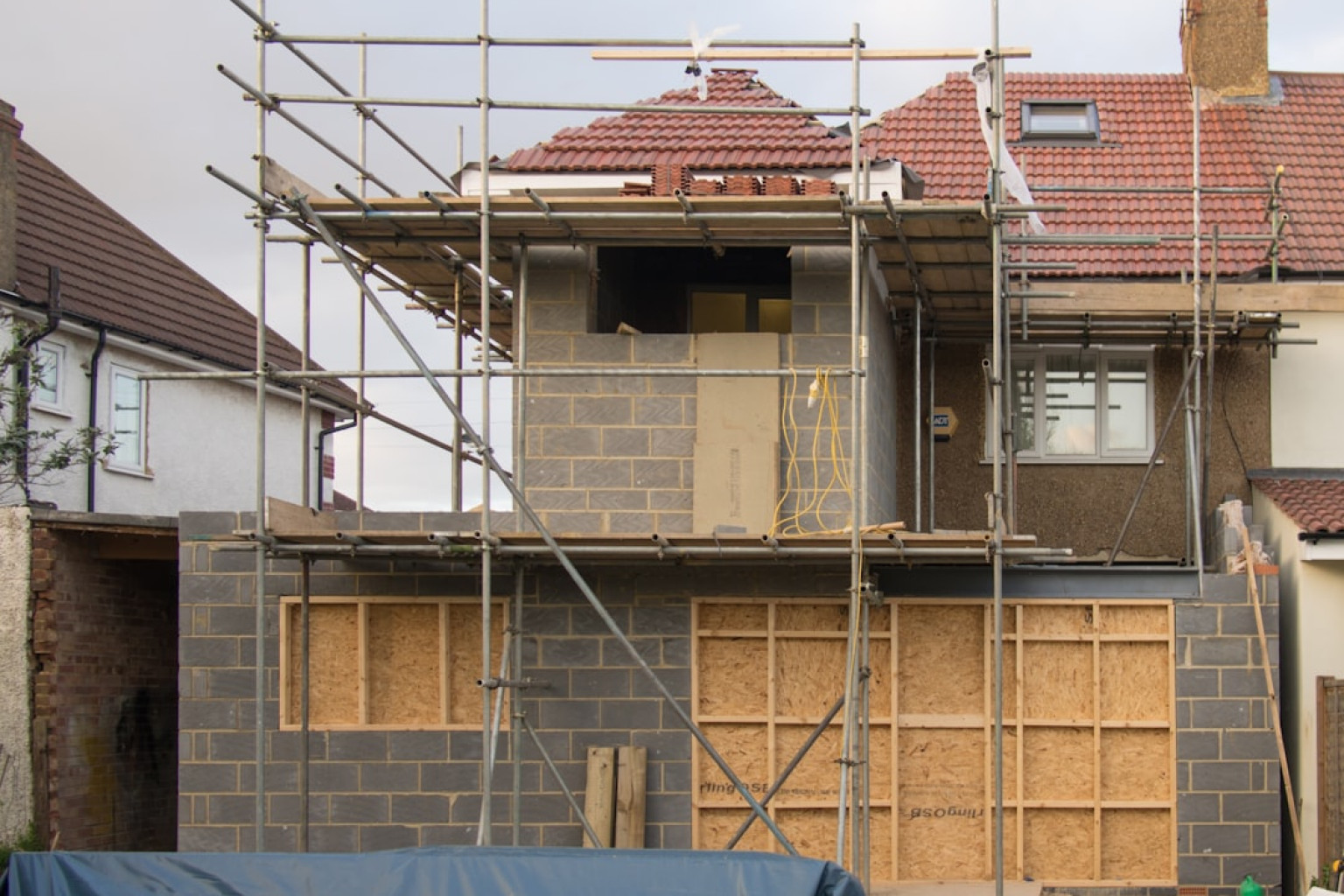
Home Extension: Where Do I Start? guides homeowners through the early steps of expanding living space. The starting point is clear: define goals and a realistic budget first, then address permissions and plan with professionals. This step by step approach helps avoid costly changes and keeps a project on track. The guide emphasizes planning home extension and offers practical moves that a typical resident can follow.
A practical reader will learn how to frame a project, estimate costs, and map out a feasible timeline. The focus remains on actionable steps that strengthen E E A T signals by showing concrete actions and decision points. To support the planning process, readers can consult templates and checklists at the HOA resource hub. For practical templates and timelines, see HOA resources.
TL;DR: Define clear goals and a realistic budget first, then secure permissions and plan with professionals. Use simple checklists and a timeline to stay on track.
Home Extension: Where Do I Start?
Define goals and scope
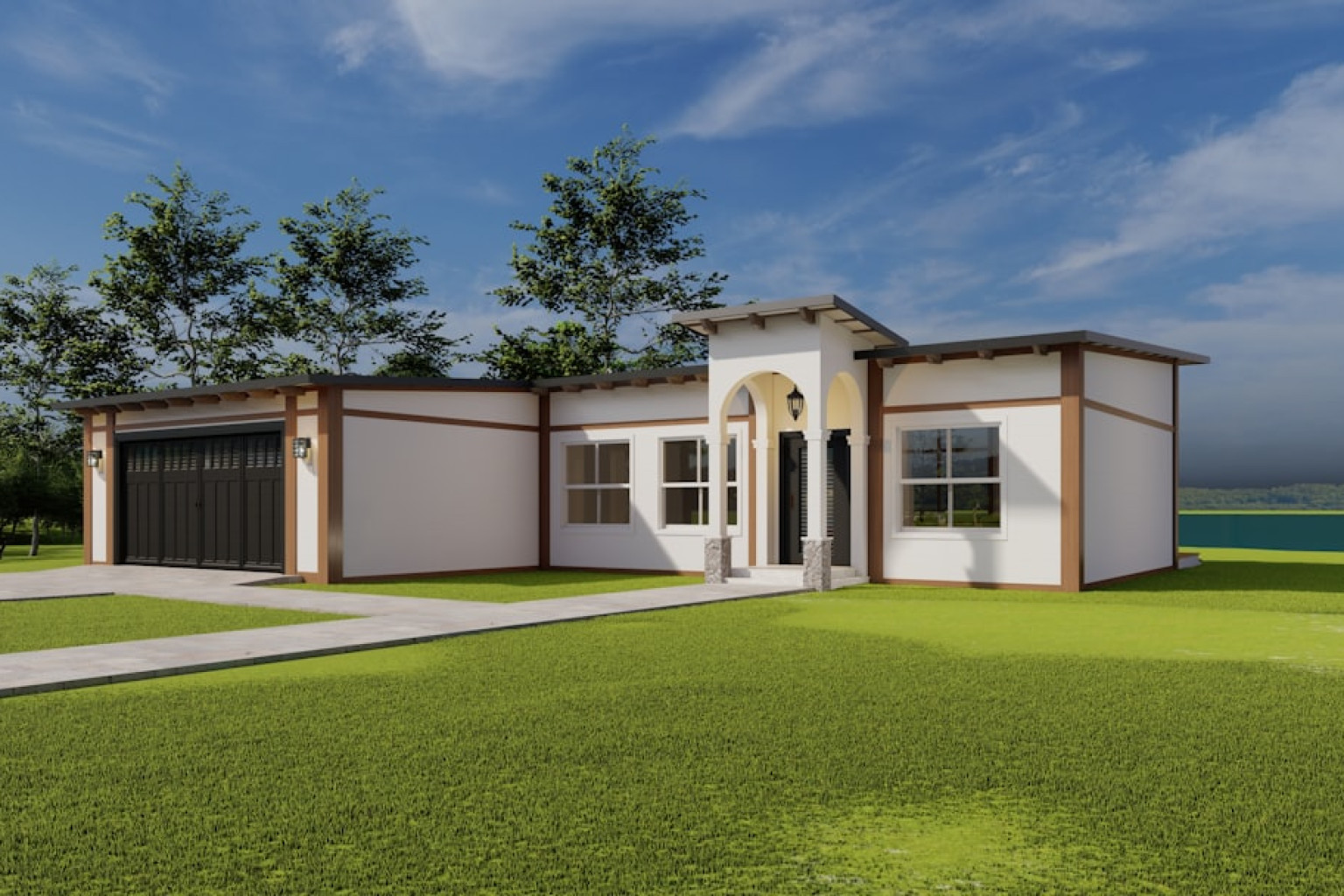
Effective planning begins with clear goals. The question to answer is what the extension must achieve. Is it extra family space, a larger kitchen, or a quiet home office? Homeowners should measure the available footprint, note constraints such as natural light and sightlines, and sketch a rough layout. The aim is a focused scope that guides design choices without drift. A well defined scope reduces design churn and keeps costs predictable.
Budgeting basics for planning home extension
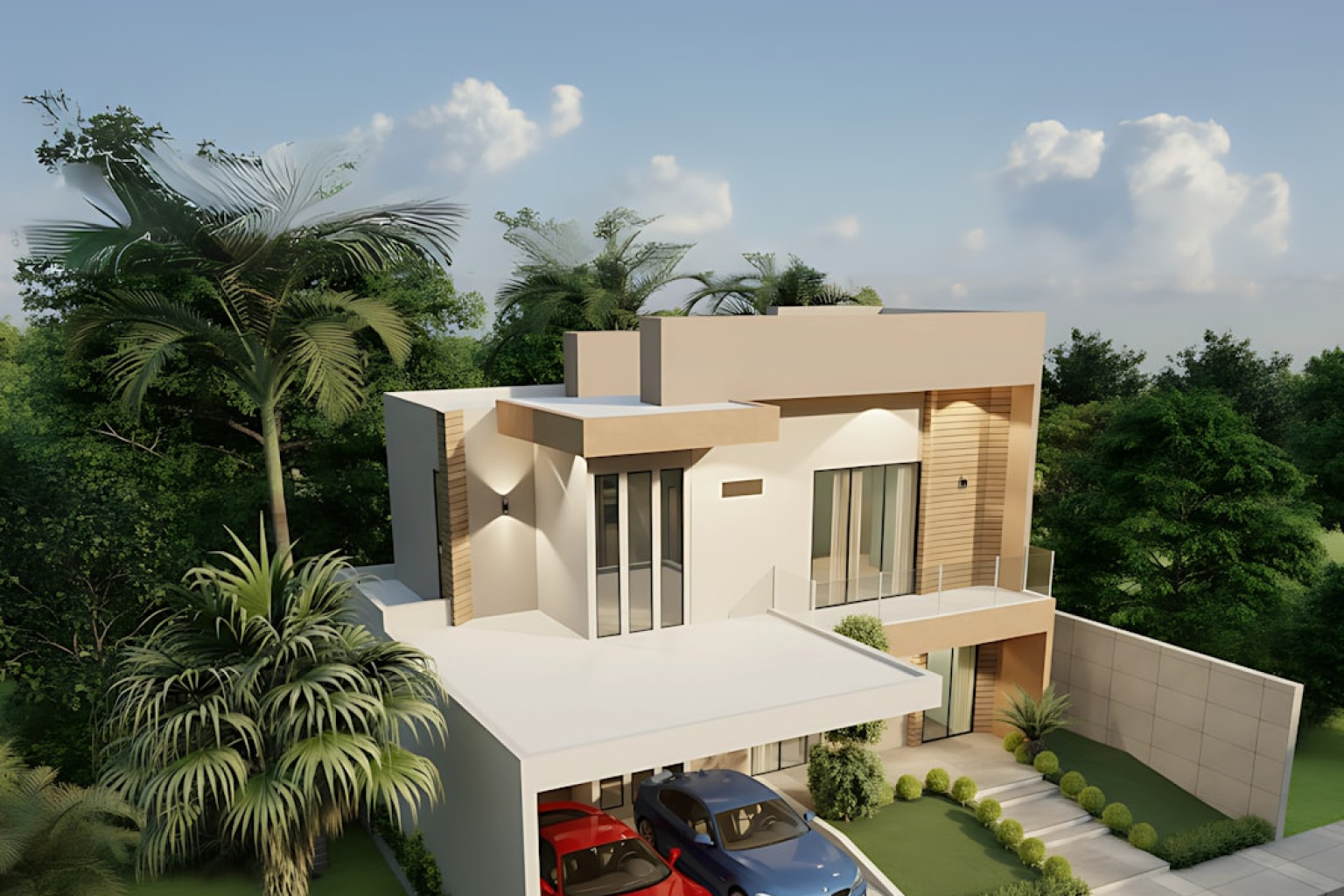
Budgeting starts with a simple framework: estimate construction costs, add design fees, and include permits. A separate reserve should cover contingencies for surprises during build and changes in scope. A practical rule is to allocate a percentage of the budget to design work and professional services and to keep a 10 to 20 percent contingency for unforeseen items. Homeowners should itemize major categories such as structure, electrical, plumbing, insulation, finishes, and exterior work. Using a simple spreadsheet helps track actuals against the plan. For practical templates and timelines, see HOA resources.
Permissions and approvals
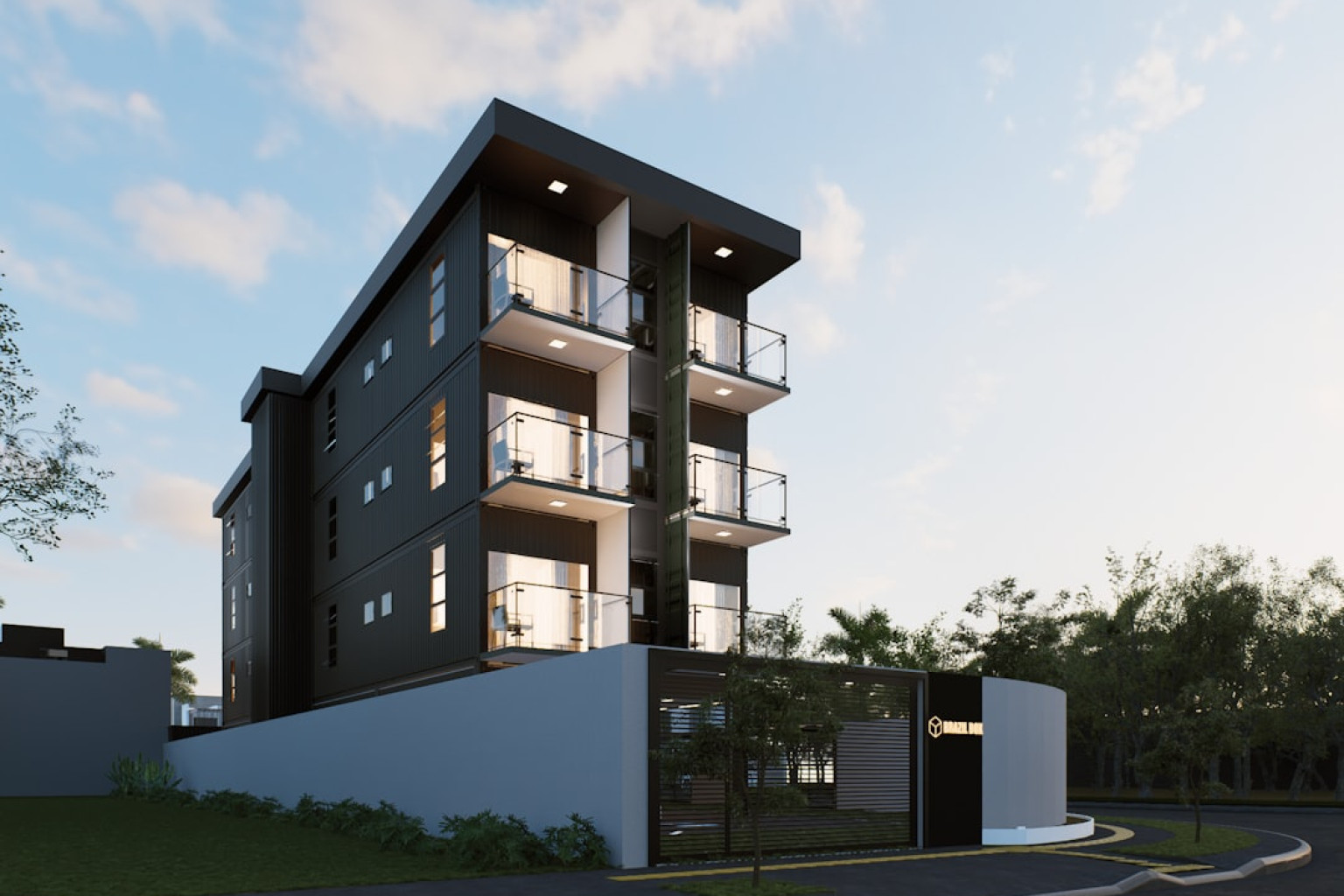
Permissions set the legal foundation for a project. In many places, a building permit is required for any structural extension and significant electrical or plumbing work. Zoning rules, setbacks, and height limits can affect design options. HOA covenants may add extra approvals. The process usually starts with a local building department review, followed by plan checks and site inspections. A deliberate approach reduces the risk of delays and costly rework later in the project.
Design options and choosing a plan
Design choices influence both function and cost. A single story extension tends to be simpler and quicker to permit, while a second story adds complexity and cost but creates more space without expanding the footprint. Open plan layouts improve daylight and flow, but may require larger beams or structural work. Early involvement from an architect or design professional helps translate goals into a feasible plan. Incorporating energy efficient features often lowers operating costs over time and can affect permit requirements in some regions.
Building a team and timeline
A reliable team includes an architect or designer, a licensed contractor, and a structural engineer if needed. References and portfolios are crucial for selecting professionals. The project typically advances through design, approvals, and construction phases. Clear contracts, defined milestones, and a shared schedule keep everyone aligned. Timelines vary by scope, location, and weather, but upfront planning reduces surprises once construction begins.
Start today with a practical checklist
- Clarify the main goal and required rooms.
- Measure and sketch the site with any constraints.
- Set a rough budget and identify funding options.
- Check permitting requirements with the local authority.
- Gather quotes and assemble a design team.
- Create a simple project timeline with key milestones.
- Review legal obligations, including HOA rules if applicable.
- Prepare a basic design brief to guide initial concepts.
For further guidance on planning home extension and to access quick templates, visit HOA at the link above. A concise plan helps keep work aligned with goals and budget.
FAQ
What is planning home extension? It is the process of defining goals, budgeting, and designing an addition to a home while coordinating permits and contractors. It helps align space needs with site conditions and local rules.
Do I need permits for a small extension? Most small to moderate extensions require some permit or approval, but requirements vary by city and state. Checking with the local building department early helps prevent delays.
How long does a typical home extension take? Timeline depends on scope and approvals. A straightforward extension may take several months from initial design to completion, while larger projects can take longer due to permits and inspections.
How should I budget for design and permitting? Include design fees, permit costs, and a contingency. Typical practice allocates a portion of the budget to professional services and reserves 10 to 20 percent for contingencies.
Where can I find reliable planning resources? Look for practical templates and timelines from reputable sources like HOA, which offers structured checklists and planning guides.