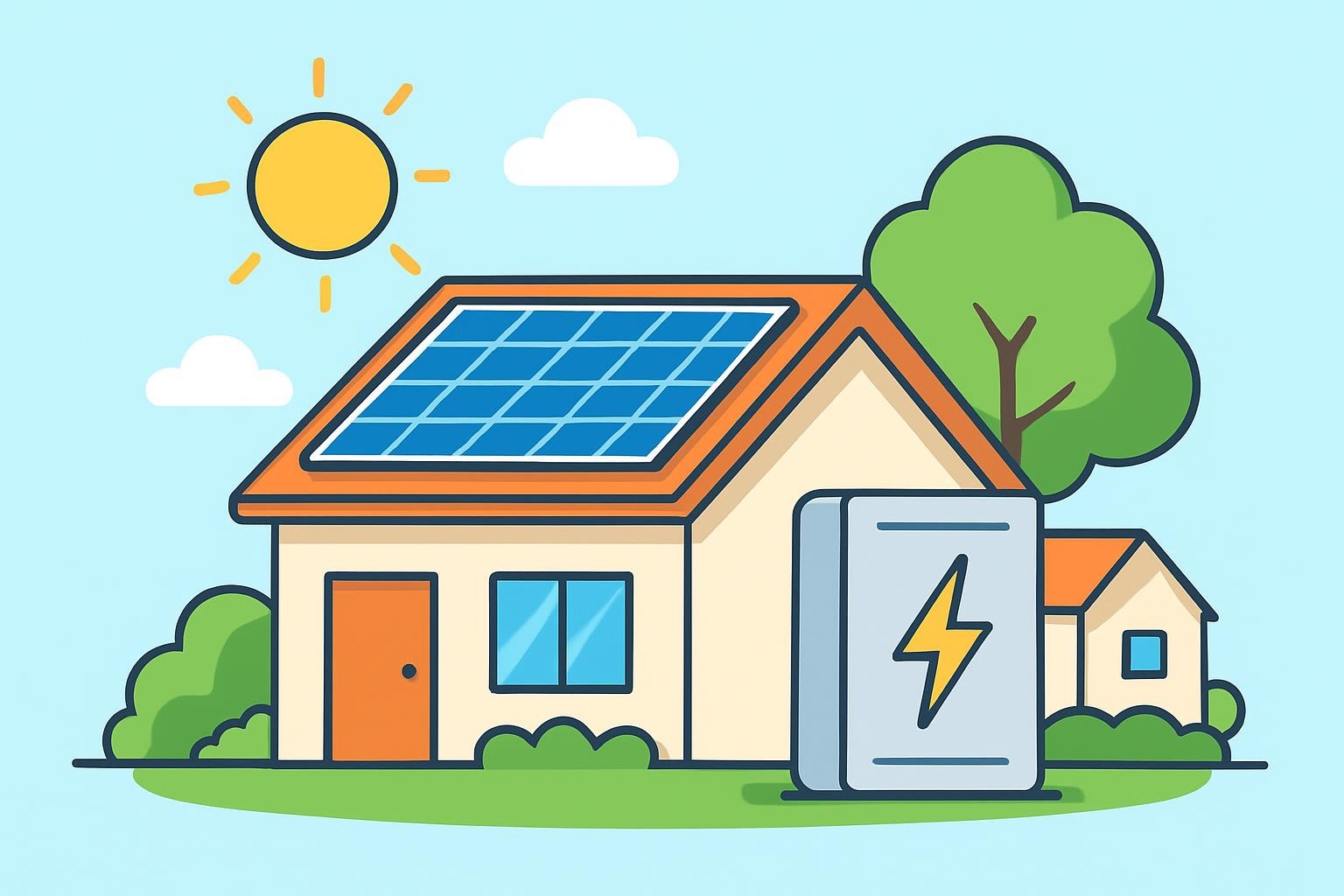
Solar panels create energy when the sun shines. When paired with a storage battery, households can capture daytime generation and use it later, reducing reliance on the grid. The core idea is simple: daytime solar plus a storage battery shifts consumption away from expensive grid periods, delivering a solar battery saving that accumulates over time.
TL;DR: A solar plus storage system lets a home use more of its own daytime energy and import less during peak price periods, cutting bills and boosting energy independence. The result depends on usage patterns, device efficiency, and battery size, but many UK homes see meaningful savings with a well designed setup.
How Do Solar Panels & Batteries Help Me Save Money?
Daytime solar and battery storage work together to lower the amount of electricity bought from the grid. Solar panels feed power during daylight, and any extra energy can be stored in a battery for use in the evening or on cloudy days. This reduces the need to pull expensive electricity from the grid at times when prices are high. Over time, that reduced grid draw translates into lower utility bills and more predictable energy costs for the household.
A storage battery also smooths out daily demand. Instead of charging the home from the grid during the evening rush, stored energy can cover lighting, cooking, and other high use periods. This practice is especially effective when a home uses high power appliances after sunset or when solar generation dips. In effect, the home becomes more self sufficient and less exposed to price volatility in the market.
Shifting Use to Cheaper Periods
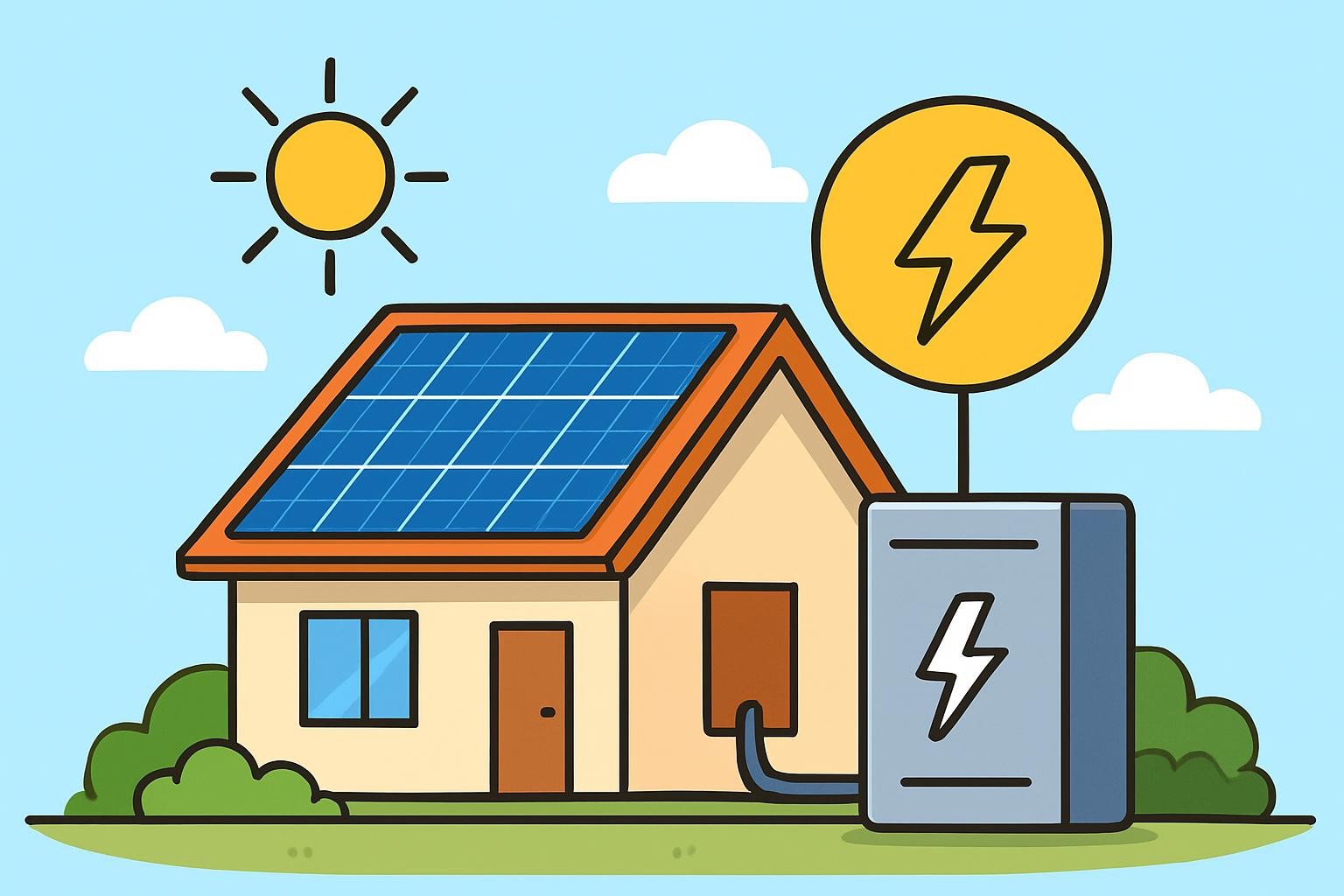
The most direct money saving comes from shifting energy use to cheaper periods. With a battery in place, energy stored during the day can be drawn during the evening peak when grid import costs are highest. Through smart control, a homeowner can prioritise self consumption, so the system first covers on site needs before any remaining solar energy is exported to the grid. The greater the share of self consumption, the larger the solar battery saving as bills reflect lower imported energy.
This approach also protects against price spikes caused by weather or demand shifts. Even on days with limited sun, a well sized battery preserves more of the daytime value by storing what is produced and using it when it matters most. For homeowners seeking additional savings, pairing a solar array with an intelligent energy management system can optimise charging and discharging cycles automatically.
What Drives Solar Battery Saving
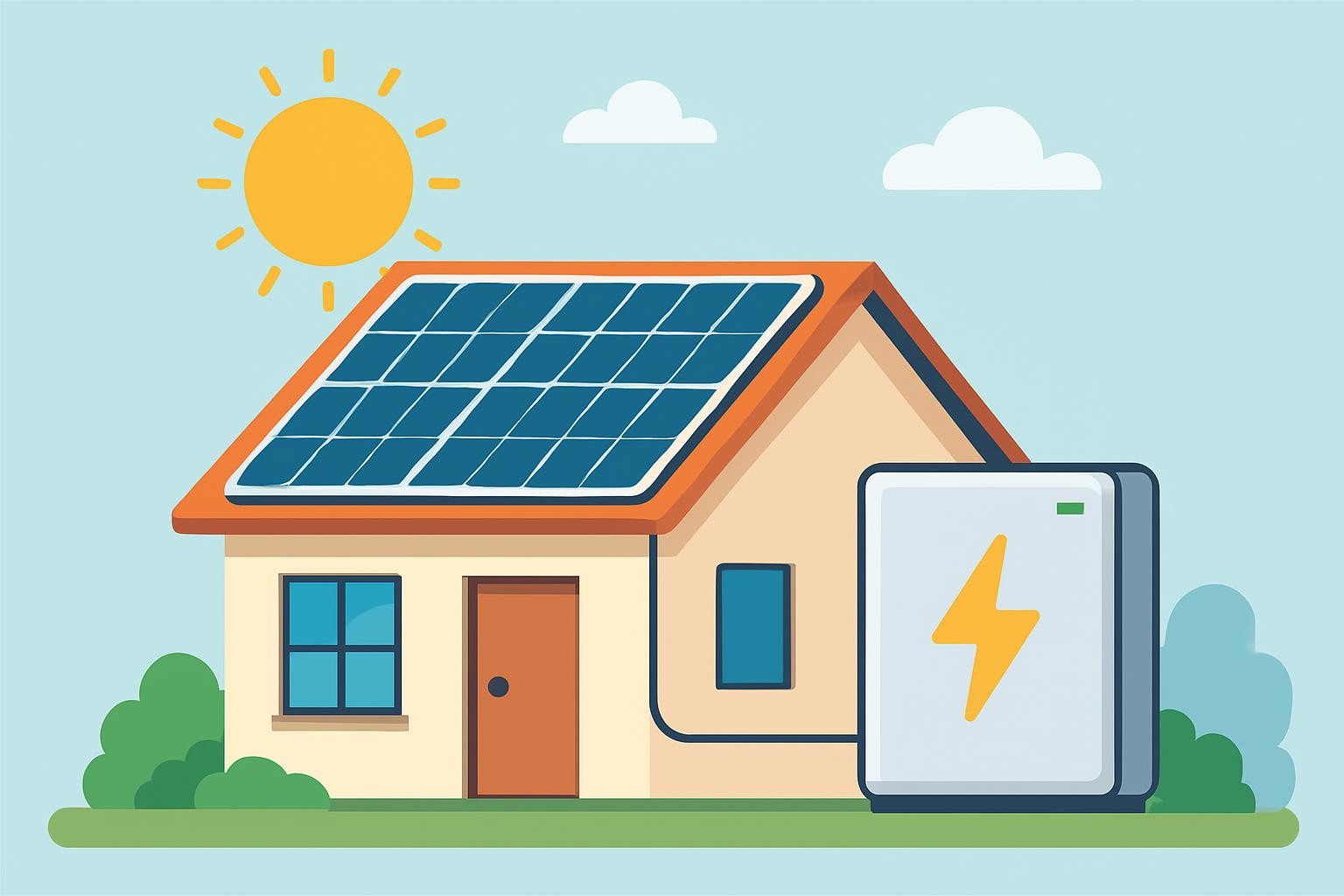
- Consumption patterns: Homes that concentrate cooking, heating or entertainment in the evenings benefit more from stored daytime energy.
- Battery capacity: A larger battery offers more usable storage, enabling higher self consumption across a wider window.
- Solar system size: A well matched PV array ensures sufficient daytime production to charge the battery without waste.
- Efficiency and aging: Inverter and battery round trip efficiency determine how much energy is actually available after losses.
- Tariffs and pricing: Time of use or variable rates influence how valuable stored energy is when imported, so savings improve with price spikes at peak times.
- Climate and sun hours: Regions with longer daylight hours maximise daytime generation, increasing potential solar battery saving.
Designing a Cost-Effective System
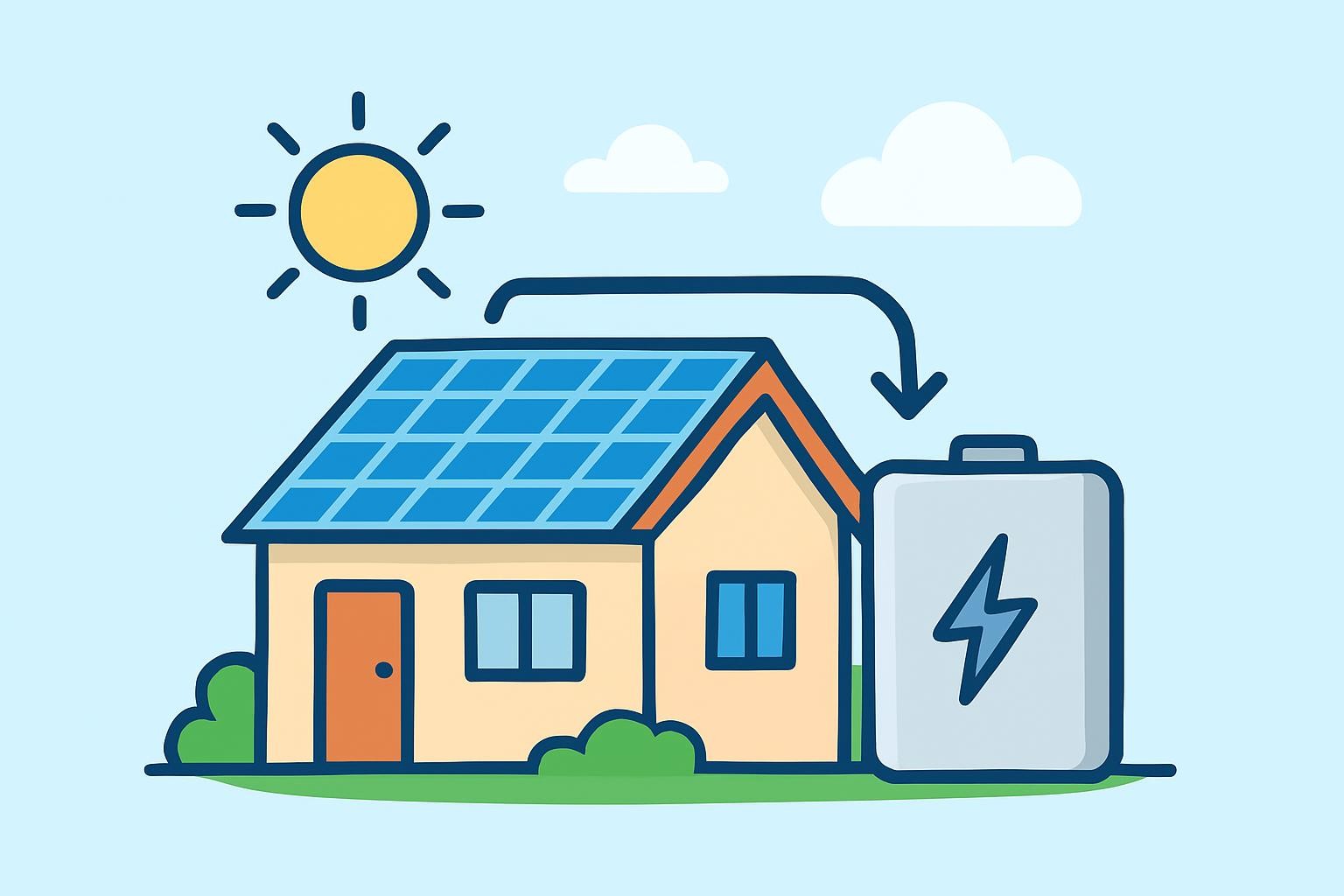
The goal is to size the system for daily needs while maintaining a comfortable margin for cloudy days. Start by tallying typical daily energy use and peak loads. Then choose a PV size that can meet daytime demand and a storage battery large enough to cover evening and night periods. An efficient inverter, good battery chemistry, and reliable monitoring are essential for delivering consistent performance. A professional installer can model your household profile and present a tailored plan.
In the UK, the installation path also involves compliance with building and electrical standards, and it benefits from a network of trusted installers. For guidance on finding trusted installers in the UK, see Heatable.
Real-World Considerations and Payback
Payback depends on local electricity prices, available incentives, and how aggressively a home shifts its usage. Most households see a gradual payback over 5–12 years, with longer term savings as electricity costs rise. A well designed solar battery saving strategy also adds resilience, reducing exposure to outages and price fluctuations while supporting a greener lifestyle.
FAQ
What is meant by solar battery saving? It is the money saved by using stored solar energy instead of grid electricity, especially during high price periods.
How large should a battery be for a typical home? Size depends on daily usage and sun hours; common ranges are 4–10 kWh for many UK homes, with larger homes or higher daytime usage justifying bigger storage.
Do I need a smart meter or advanced software? Yes, a smart energy management system helps optimize charging and discharging to maximize savings.
How do I start with a UK installer? A local installer can assess roof orientation, shading, and energy needs. For more on finding trusted installers in the UK, see Heatable.
Is maintenance important? Regular checks of the battery, inverter, and wiring ensure safety and longevity and help sustain solar battery saving over time.