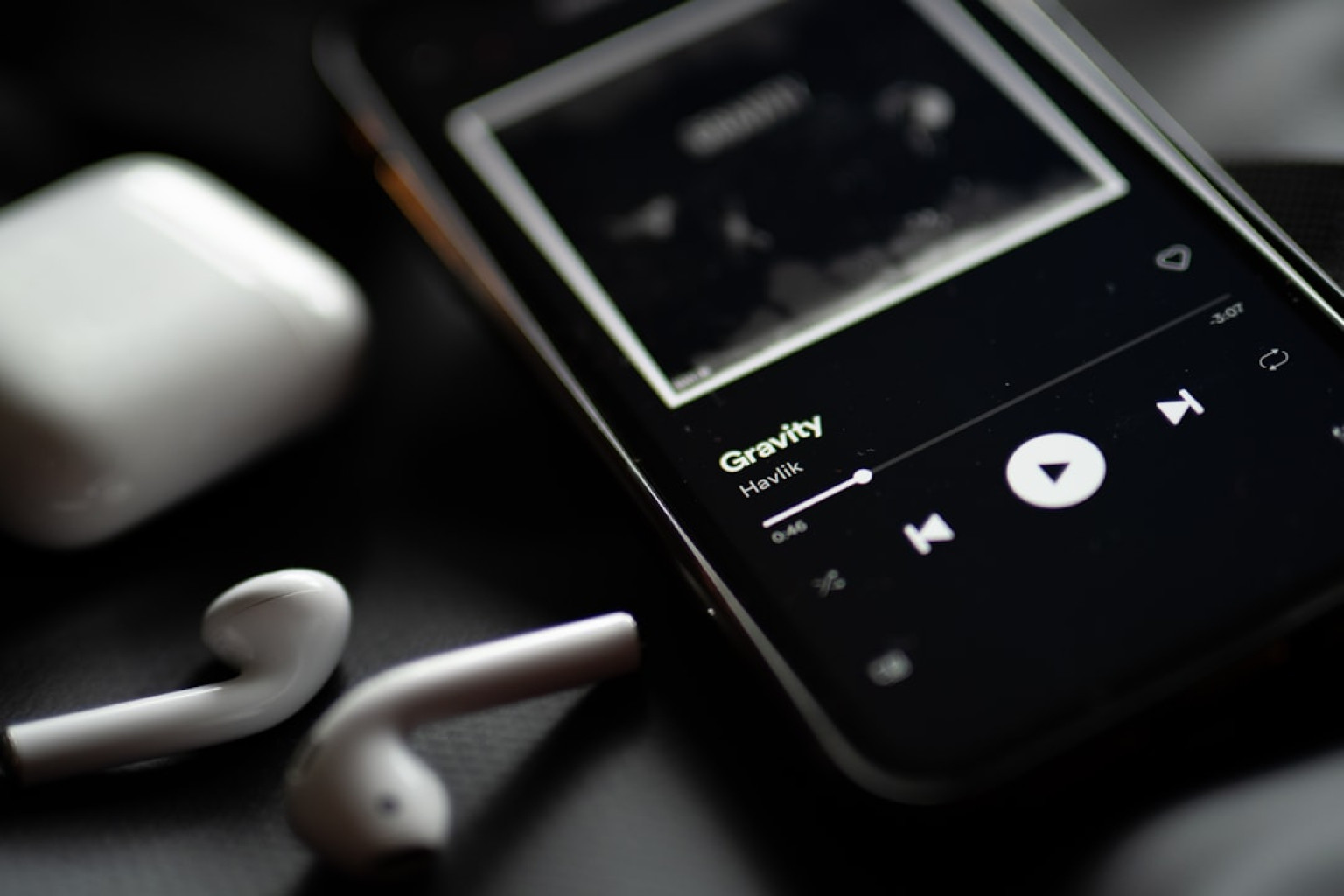
Finding Spotify playlists to submit to in 2026 requires a methodical workflow. The direct answer is simple: create a focused target list of playlists that match the artist's genre and audience, then run a repeatable outreach process to submit and follow up. A musician can increase fan growth by coupling discovery with a tracking system that logs contacts, responses, and next steps. This article explains how to build that workflow using Delaynote to help manage fanbase growth.
In practice, the strategy starts with defining what counts as a match, then building a discovery loop that yields 20 to 30 new playlists each cycle. The rest covers crafting personalized pitches, staying within platform norms, and keeping outreach organized for 2026. The goal is to turn playlist discovery into predictable fan reach rather than a random cold outreach. The guidance below is designed for a third person reader who wants clear steps and practical checks.
TL;DR: Build a tight target list of playlists, verify submission routes, and manage outreach with a tracking workflow; Delaynote can streamline this process.
How to find Spotify playlists to submit to in 2026
Define target playlists and alignment
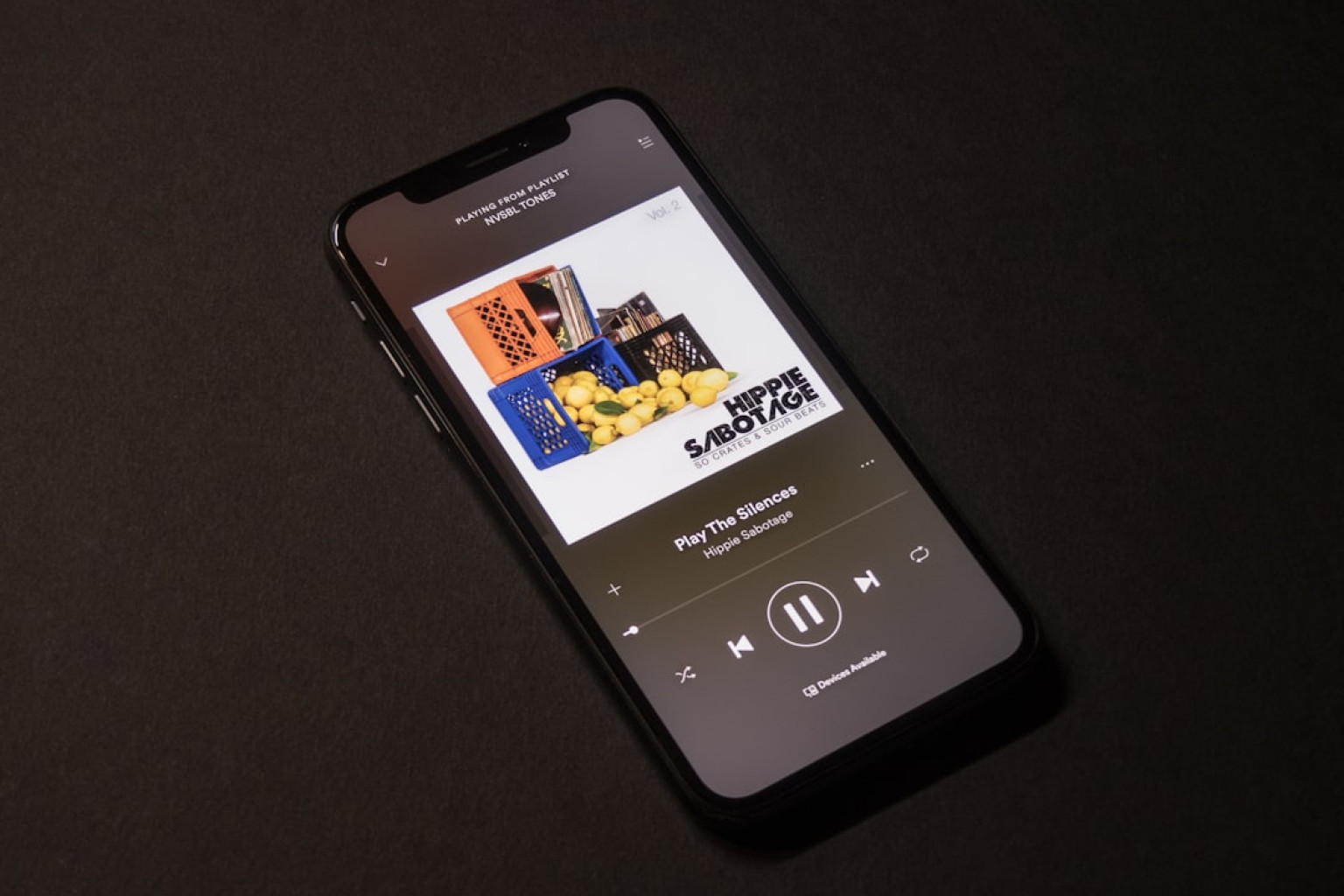
A focused search starts with defining playlist types and alignment. Editors often curate for specific genres, subgenres, or moods. Musicians should map their music to those categories and note playlist names that appear in similar artist roundups. A simple scoring rubric helps: alignment to genre, current activity level of the playlist, and indicated submission options. A playlist with clear submission instructions remains a primary target.
Build a discovery workflow that scales

Next, establish a repeatable workflow. Search the Spotify catalog using artist similarity, genre tags, and mood keywords. For each promising playlist, record the curator or submission contact, the stated submission method, and any example pitches seen in public notes. Create a cadence to review new targets monthly and add 20 to 30 fresh playlists per cycle. This cadence keeps outreach manageable and improves reply rates by avoiding batch spam.
Organize candidates with a submission tracker
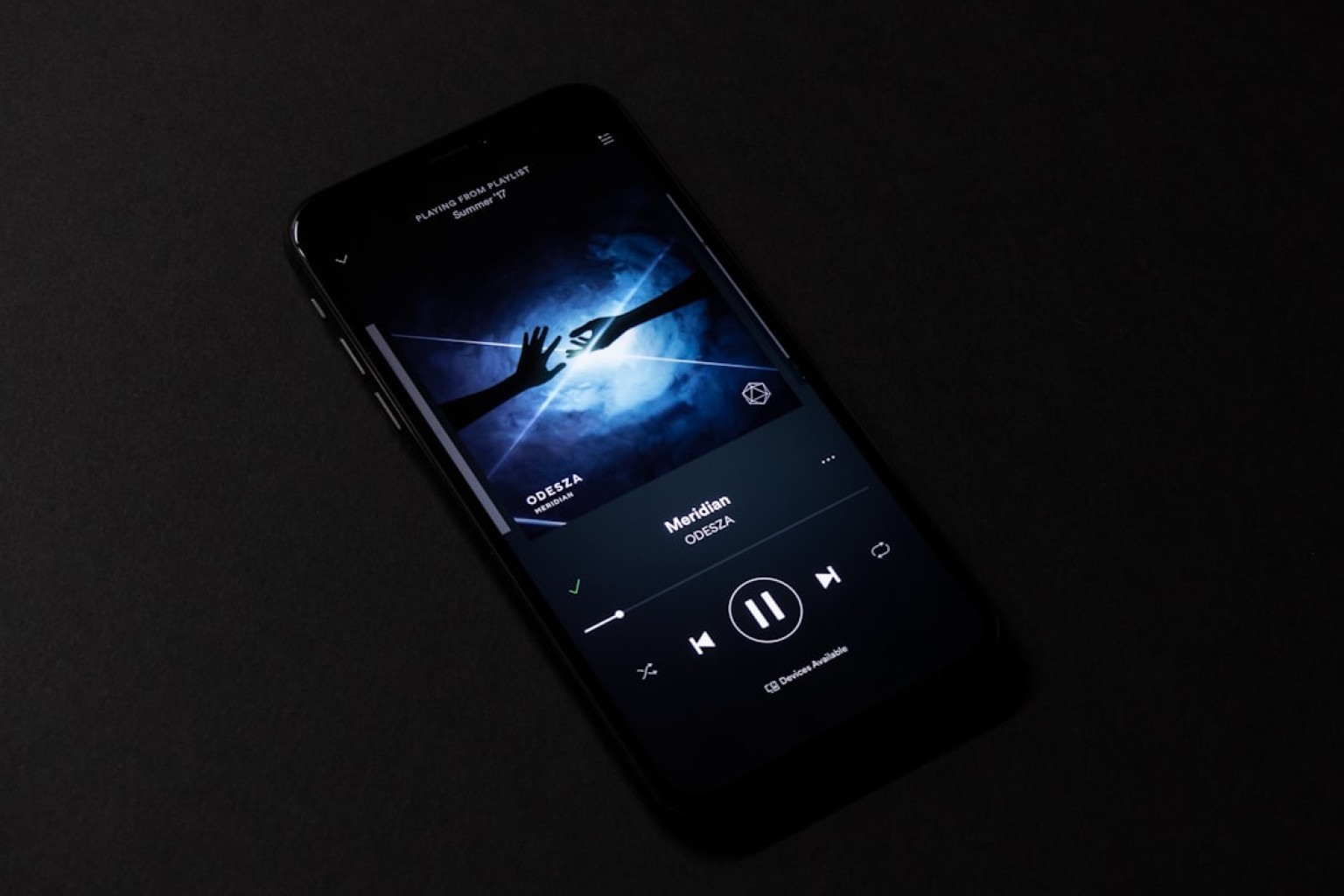
To stay efficient, organize candidates in a single tracking system. Key fields include playlist name, curator contact, submission method, date contacted, status, and notes on responses. A clean database reduces duplicate outreach and helps tailor messages to each curator. For a centralized workflow, Delaynote offers tools to log outreach steps, set reminders, and attach track links or press kits; see https://delaynote.com for more on streamlining submissions.
Craft compelling, concise submissions
Personalization matters. Each pitch should acknowledge why the artist fits the playlist, include a direct link to the track, and offer a one-sentence hook about audience value. Keep body copy short and moves the conversation toward listening rather than selling. Include essential metadata like artist bio, press quotes, and cover art if the submission form allows it. A strong hook increases the chance the playlist editor will press play and save the track.
Submit thoughtfully and follow up strategically
Submission timing matters. A common pattern is to wait one to two weeks for a response before sending a polite follow-up. If there is no reply after a second follow-up, respect the curator's preference and pause outreach to that playlist. Maintain a record of all interactions to avoid repeated pitches and to learn which messaging resonates best with different curator styles.
Keep practices up to date and compliant
In 2026, best practices emphasize authenticity and transparency. Do not attempt fake streams or bulk manipulation. Respect platform rules and curator boundaries. Share honest information about the artist and the track, and avoid aggressive tactics. A clean, professional process builds trust with curators and supports longer term playlist relationships that benefit a musician’s fanbase growth.
Practical example of a workflow in action
A musician identifies ten editorial lists that align with indie pop. They locate each curator’s submission method and prepare ten tailored messages, each with a direct track link and a one-sentence hook. They log each submission in a tracker, including the date and status. After one week, they follow up with a concise note referencing any recent listener milestones. This cycle repeats monthly, with small refinements to messaging based on curator feedback.
Leverage Delaynote for outreach efficiency
The Track Submissions feature can streamline this process, helping teams assign outreach tasks, track responses, and schedule follow-ups. To explore a focused approach that scales with a growing fanbase, see Delaynote at https://delaynote.com and apply its workflow best practices to playlist outreach.
FAQ
What counts as a successful playlist submission in 2026? A successful submission is one where the curator listens to the track, saves it to a relevant playlist, and perhaps adds it to a personal favorites list for future consideration.
How many playlists should a musician target per cycle? A practical target is 20 to 30 new playlists per cycle, with quality over quantity and a clear alignment to the artist.
What is the fastest way to learn which messages work? Track responses and analyze which hooks and personalization tactics lead to replies; refine messages after every cycle.
Is it safe to reuse a pitch with minor edits? Yes, but personalize each pitch with a detail about the playlist and a concise reason the track fits, to avoid generic outreach.
Where can a musician find a centralized workflow tool for outreach? Delaynote offers a centralized workflow to manage playlist submissions and follow ups; see https://delaynote.com for more details.